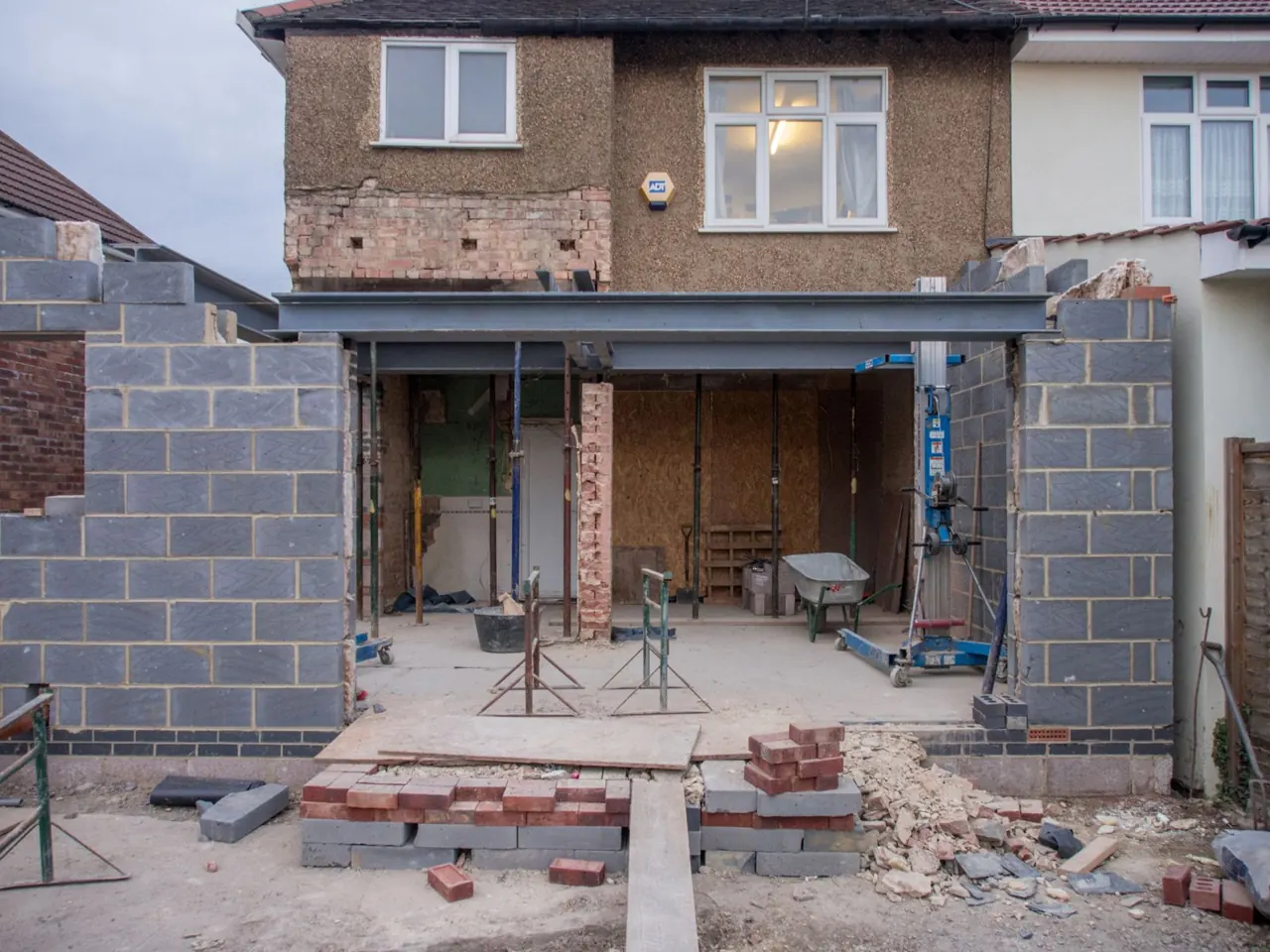
Construction dumpster rental in Houston starts with the debris stream and the job sequence. For an Oak Forest build, demolition or major renovation, send the project location, material description and requested delivery date. DW Companies fulfills the rental; equipment selection, load acceptance and scheduling are confirmed for the actual site.
Concrete and dirt require the designated 16-yard container. DW generally does not deliver 40-yard units to residential sites. Asphalt roofing and shingles, whole tires, liquids and hazardous waste are excluded. Do not combine an unknown material with ordinary construction debris while waiting for an answer.
Request a construction dumpster quote.
Find the answer you need
Order for the phase that produces the waste
A replacement build can have several different disposal needs: demolition, foundation or excavation material, then framing and finishing leftovers. Those phases do not automatically belong in one container. A large box chosen for bulky debris is not a substitute for the designated heavy-material equipment.
Prepare a simple waste schedule beside the construction schedule. Note the expected material, when it begins accumulating, who loads it and which trade needs the staging area next. This exposes conflicts before equipment arrives. It also lets you ask about an extension or additional load before the site is blocked by a full container.
Removal windows, exchanges and multiple containers need specific operator confirmation. Do not schedule crews on the assumption that an empty box will appear at an exact hour unless that arrangement has actually been agreed. A requested date is different from a guaranteed appointment.
Make the site contact part of the request
Name the person who knows the site and can authorize the intended placement. That person may be different from the owner or the person paying the invoice. Share gate instructions, delivery restrictions and any conflicts with material deliveries before scheduling.
A hypothetical demolition job illustrates the handoff: the estimator knows the total scope, the foreman knows what will be loaded first, and the property owner controls access. A useful request combines all three perspectives. It does not rely on the driver arriving to settle an unresolved location or material question.
Use the contractor rental checklist to pass the confirmed terms to the loading crew. New subcontractors should receive the same material rules; an approved original load does not mean later trades can add anything they want.
Choose volume only after material eligibility
Describe dense material separately, even when it appears to be a small part of the total job. Ask about the concrete and dirt rental path before mixing heavy debris into a general construction request. If the project has uncertain old materials, resolve assessment and disposal needs before loading them.
For bulky, eligible debris, compare actual equipment rather than a universal “one box per house” rule. The 40-yard option has an important residential limitation. A smaller approved arrangement may be more suitable for the site even when total project volume is substantial.
Oak Forest replacement-home planning also has property-specific considerations. The City's deed-restriction FAQ identifies section-dependent Oak Forest restrictions. Construction permissions, property access and container placement need their own checks. None is established by the neighborhood name alone.
Order a construction dumpster around the work package
Construction dumpster rental in Oak Forest should connect the container to a defined work package. An interior strip-out, a framing phase and excavation produce different streams. “Construction debris” is a category, not a complete loading specification. Identify what the crew will remove, what other subcontractors may add and which materials must remain separate.
For a developer coordinating a remodel, distinguish demolition of finishes from structural removal and site work. For a new-build contractor, distinguish demolition from incoming-material packaging and cutoffs. The disposal plan can evolve with the site, but an approved load should not change silently because another crew has arrived.
| Phase to describe | Material information | Operational dependency |
|---|---|---|
| Interior demolition | Cabinets, wall finishes, flooring layers and fixtures | Clear working area before subsequent trades |
| Slab or paving removal | Concrete, reinforcement and other components | Material-specific equipment and loading terms |
| Excavation | Soil and any suspected contamination or mixed debris | Acceptance review before loading |
| Framing and installation | Lumber, offcuts, packaging and other declared streams | Space for deliveries and loading activity |
| Final project clearing | Remaining approved debris | Site access and requested final removal |
The table is a scope-planning aid. It is not a representation that every listed stream is accepted without review or that a single rental covers every phase.
Separate heavy streams before they occupy the site
DW designates the 16-yard container for concrete and dirt. A larger nominal container is not a substitute for that rule. If the project includes demolition debris and excavation, discuss whether and how those streams can be handled separately before a mixed pile develops.
For example, a hypothetical addition might produce an initial interior tear-out, a concrete component and later framing debris. That does not establish three required containers or three guaranteed hauls. It establishes three material and timing decisions for the quote. The mixed-concrete guide helps explain why separating those decisions matters, while concrete rental covers the designated equipment.
Choose capacity with the site superintendent's plan
For eligible bulky debris, compare the 20-yard and 30-yard options against the actual load and space. The 40-yard option is generally not delivered to residential sites. A new house under construction does not automatically remove that operating limitation.
Ask the site lead where incoming materials, worker parking and equipment will be when the dumpster is delivered and removed. A location that works on demolition day may become inaccessible once another delivery occupies the approach. Pickup access belongs in the initial plan because a loaded container cannot solve a site blockage just by being ready for collection.
Define the handoff between the office and the crew
Name the person authorized to confirm placement, the person supervising the load and the person requesting removal. They may be the same individual, but the quote should not depend on that assumption. Give the accepted-material instructions to subcontractors before they use the container. A load can stop matching the order when several trades treat it as general site disposal.
The contractor rental checklist provides an office-to-field handoff. Use it to record the current container, accepted streams, quoted period and escalation contact. If the site needs another haul or a different rental period, obtain confirmation rather than treating the request as an automatically scheduled exchange.
Compare cost against the same construction scope
A useful construction dumpster price identifies the container and accepted material, address, quoted time and disposal allowance. Ask whether additional hauling, extension or access-related charges could apply to the planned sequence. Do not compare one complete construction quote with an unrelated cleanout headline.
For home-addition work or a replacement-home project, carry later phases into the inquiry so the first delivery does not obstruct them. Request a construction rental quote with the work package and site contact, even if the final capacity needs the provider's recommendation.
Construction procurement questions worth resolving early
Can several subcontractors share the rental?
Describe the intended users and streams before agreeing to the order. Shared use can be workable only within the actual acceptance and loading conditions; it is not a blanket approval for every trade's waste. Assign a site lead to keep the scope consistent as crews change.
Does a larger unit replace a hauling plan?
It can provide more nominal volume, but it does not establish how long the debris-producing phase lasts or when another service can be supplied. If the project may need another load, discuss that arrangement and cost separately. A larger box also does not remove DW's material-specific or residential-site restrictions.
What if the site cannot be ready on the requested day?
Tell the provider what changed: access, load readiness, timing or all three. Keep any revised confirmation with the order so the field team does not work from an outdated message. The fee guide identifies the commercial questions, while the actual quote controls which conditions apply.
Technical review for construction loads
Equipment maximums do not create a site disposal budget
A published equipment maximum describes one equipment constraint. It is not the tonnage included in a project quote and does not authorize any material that physically fits. For construction dumpster rental, keep equipment limits, quoted disposal allowance and the actual material-specific loading instruction as separate fields. The weight-limit explanation makes those fields easier to compare during procurement.
DW's published rental guidance calls for checking safe approach, overhead obstacles, surface conditions and more clearance than the box footprint. Keep the collection route usable as the job changes. A delivered box still needs to be retrieved safely.
Separate nominal volume, equipment maximum and included disposal allowance when reviewing the quote. The weight-limit explanation helps distinguish those figures. Confirm the actual load and loading instructions; do not infer safe loading from capacity alone.
See Oak Forest project rentals or submit the construction scope. Include material streams, the site contact and phase dates so the team can check a workable rental arrangement.